AI Integration: Why Adding a Chatbot Is Not an AI Strategy
AI Integration: Why Adding a Chatbot Is Not an AI Strategy
Explore the latest strategies, innovations, and agency thought leadership.
Posted By
Sollva
Posted Date
08 August, 2026
Share:
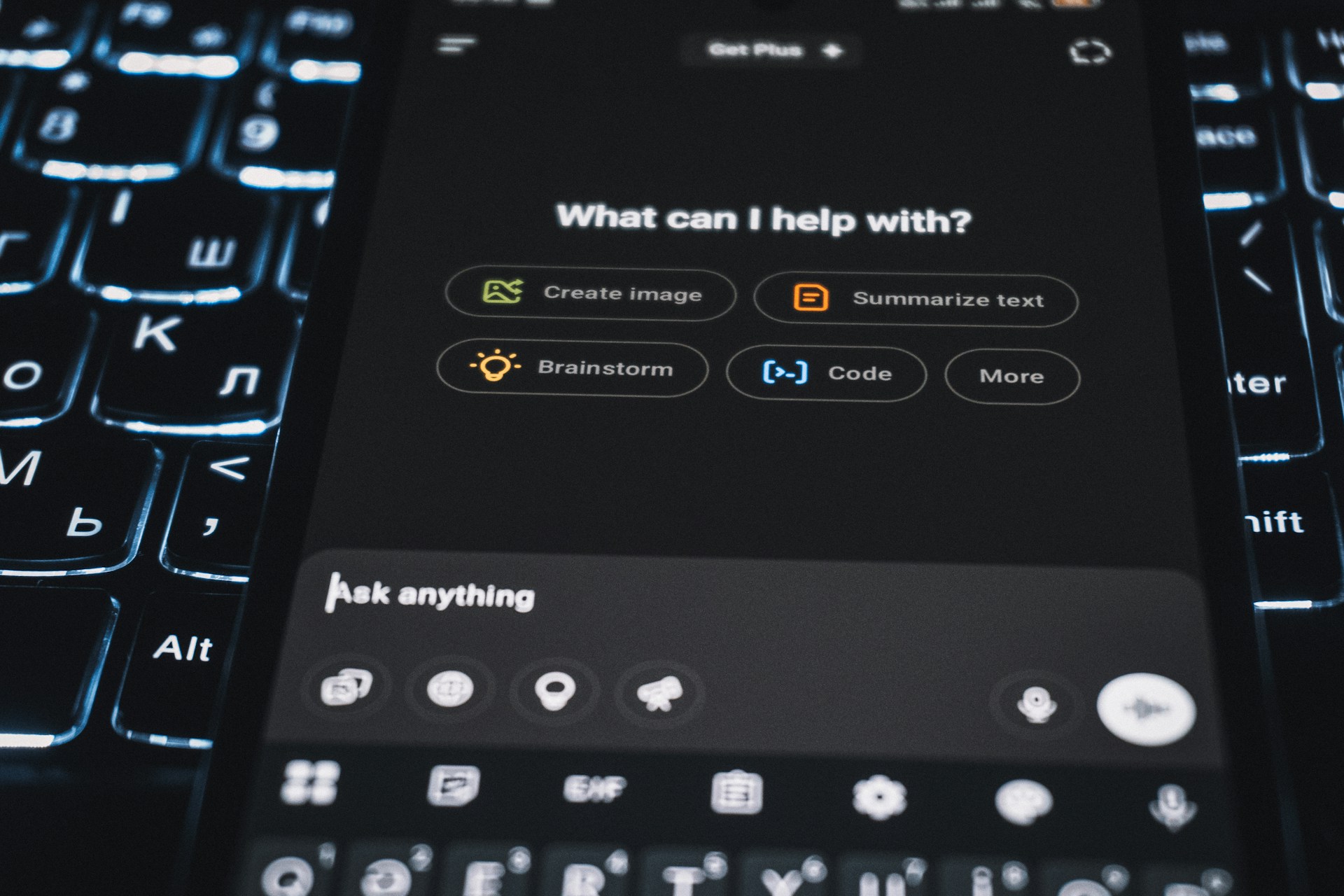
Many companies start their AI project by placing a chat window on their website. It answers a few questions, creates a short demo, and gives everyone something to show in a meeting.
Then the novelty wears off.
Customers ask questions the bot cannot answer. Employees still copy information between systems. The AI has no access to the data it needs. Nobody knows how to measure whether it is helping.
The problem is not that the chatbot is badly designed. The problem is that it was never connected to a real workflow.
What AI integration actually means
AI integration means connecting an AI capability to the product, data, and actions that matter to the business.
That might include:
Reading information from a CRM.
Summarizing support conversations.
Classifying uploaded documents.
Recommending the next sales action.
Generating product descriptions.
Detecting suspicious activity.
Turning messages into tasks.
Helping employees search internal knowledge.
The AI is only one part of the system.
The useful part is what happens before and after the model responds.
The difference between a demo and a business tool
A demo asks:
Can the model produce an impressive answer?
A business tool asks:
Can the system produce a reliable result inside a real process?
That requires decisions about data access, permissions, error handling, review steps, logging, and user feedback.
For example, an AI assistant connected to a support platform may need to:
Read the customer’s history.
Identify the current issue.
Search the company’s approved knowledge base.
Draft a response.
Ask an employee to approve it.
Save the final response to the customer record.
The chatbot is only the visible part.
The 2026 shift toward connected agents
The market is moving from isolated AI features toward connected systems that can complete multiple steps.
Google has also launched its Gemini Enterprise Agent Platform, which combines model selection, agent building, orchestration, DevOps, and security controls.
The important point is not that every company needs an autonomous agent.
It is that AI is becoming part of the workflow layer, not just the interface layer.
A better AI integration process
Start with the business task.
Ask:
Which process is slow or repetitive?
Where do employees make avoidable mistakes?
What data already exists?
Which decisions require human approval?
What would success look like?
What happens when the AI is wrong?
Then choose the smallest useful integration.
At Sollva, our AI Integration & Custom AI Solutions work connects models to real products, databases, dashboards, and workflows. When the AI needs a new user experience, we combine it with Web Application Development instead of leaving the feature disconnected from the rest of the system.
The best AI integration is not the one users notice most.
It is the one that removes work without creating a new problem.