Explore the latest strategies, innovations, and agency thought leadership.
Posted By
Sollva
Posted Date
08 August, 2026
Share:
A logo is only one part of a brand identity.
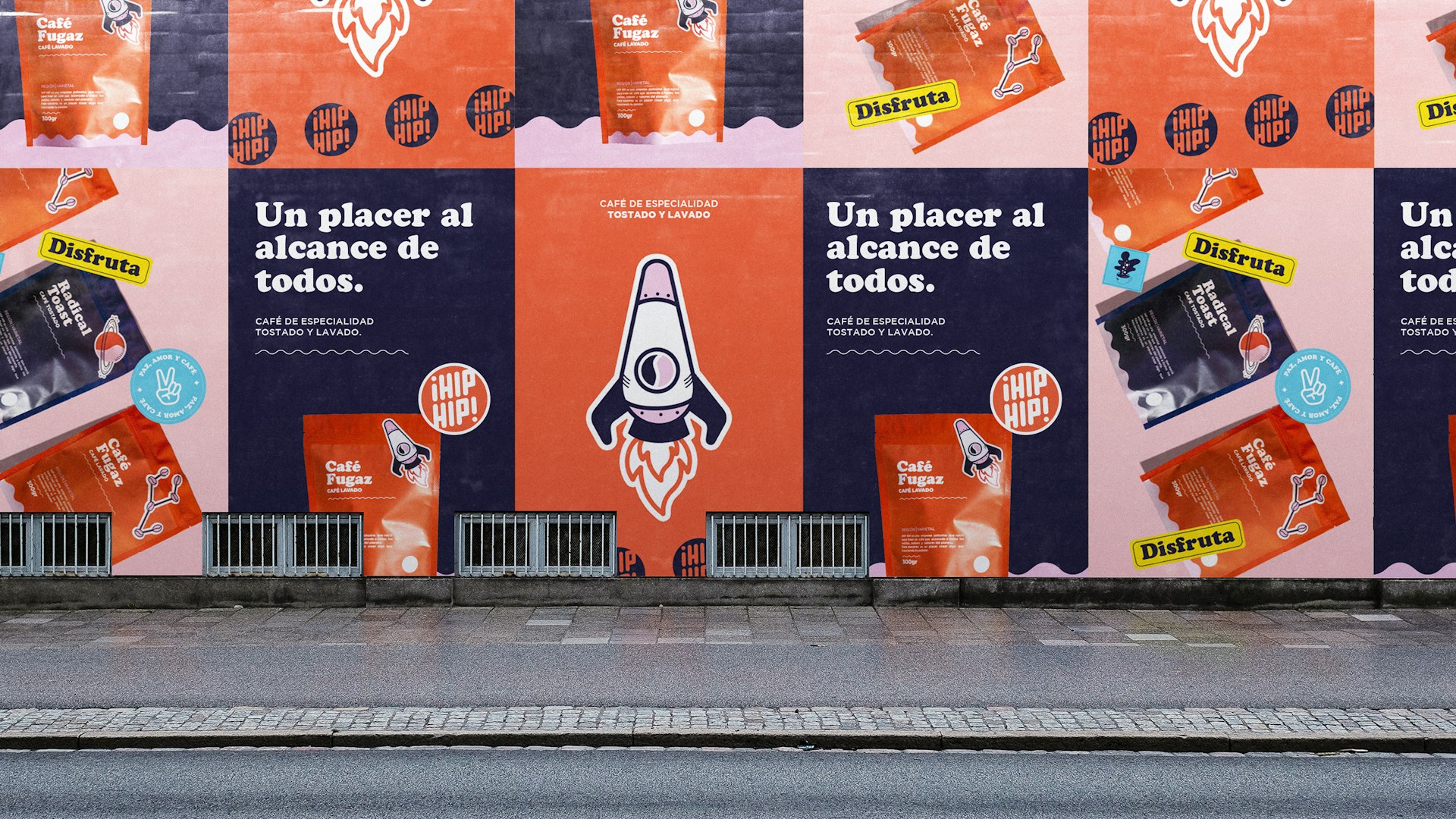
A complete brand identity explains how a business looks, sounds, behaves, and makes people feel. It creates consistency across the website, social media, advertising, packaging, presentations, and customer communication.
Without that consistency, even a good business can appear unclear or forgettable.
What does brand identity include?
A brand identity usually includes:
Logo and logo variations.
Color palette.
Typography.
Photography and illustration style.
Graphic elements.
Brand voice.
Messaging principles.
Brand positioning.
Customer experience guidelines.
Social media and content direction.
The visual elements help people recognize the business. The messaging and experience help them understand why they should trust it.
Brand identity creates recognition
People often encounter a business several times before they become customers.
They may see:
A social media post.
A search result.
An email.
A landing page.
A proposal.
A review.
A sales presentation.
If every interaction looks and sounds different, the business must rebuild recognition from the beginning each time.
Consistent branding makes those interactions feel connected.
A strong brand makes positioning clearer
Brand identity is not decoration added after the strategy.
It should communicate the company’s position in the market.
A premium consulting business should not look like a discount marketplace. A technology company should not use vague messaging that could belong to any competitor. A local service provider should not hide its location, process, or differentiators.
A useful brand answers:
Who is this for?
What problem does it solve?
Why is it different?
What should customers expect?
Why should people believe it?
Trust depends on consistency
In 2026, consumers are exposed to more content, more advertising, and more automated messages than ever.
A polished identity cannot replace a poor product or service. But a clear and consistent identity can make the quality of the business easier to recognize.
Brand identity should guide digital marketing
A brand identity becomes useful when it helps the marketing team make decisions.
It should influence:
Website headlines.
Social media formats.
Ad creative.
Email campaigns.
Landing page layouts.
Photography.
Video direction.
Calls to action.
Customer support language.
At Sollva, our Brand Identity & Digital Marketing service connects identity, strategy, content, and digital execution so the brand is not only attractive but usable.
A strong brand identity does not make every message identical.
It gives every message the same recognizable point of view.